$4.00
Download NowSold by information-depot on Tradebit
The world's largest download marketplace
3,308,366 satisfied buyers
The world's largest download marketplace
3,308,366 satisfied buyers

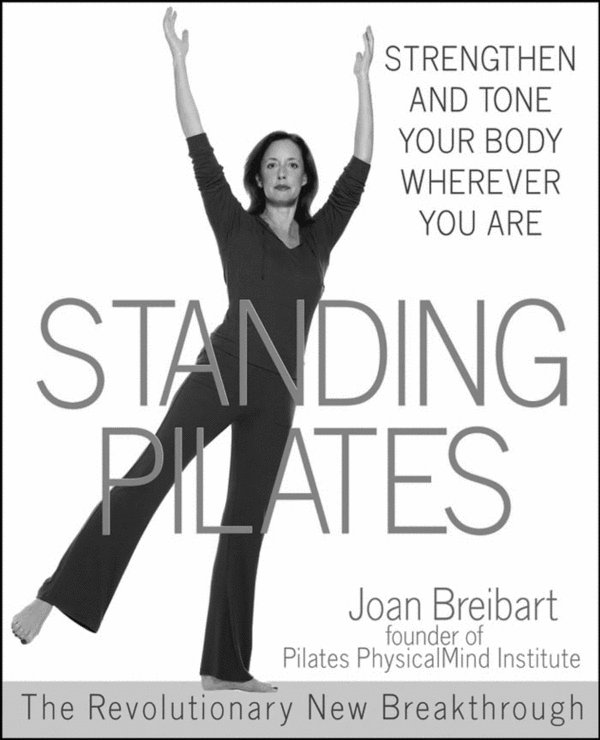
Standing Pilates
gain better bodies. But when I began in the mid-sixties, there were only three Pilates studios in the world, all within a few blocks of one another in Manhattan. They were practically identical: the exercises, the equipment, the technique, and even the fees.
Despite its limited availability, Pilates had good press. There were major articles about Joseph Pilates in national magazines and New York newspapers. Joe’s opinions in such quotes such as “Physical fitness is the first requisite for happiness,” and “There is no hope for world peace if the members of the United Nations cannot do my first five mat exercises,” were controversial, which attracted me. I decided to try Pilates, even though “working out” wasn’t even a term back then. During the subsequent decades, I sampled the poplar fitness trends: running, Jazzercise, Nautilus, and even killer aerobics classes. Although I knew nothing about functional anatomy or correct biomechanics (and neither did the instructors), I never felt that the popular go-for-the-burn exercise mantra made sense.
File Data
This file is sold by information-depot, an independent seller on Tradebit.
| File Size | 7 megabytes |
| File Type |